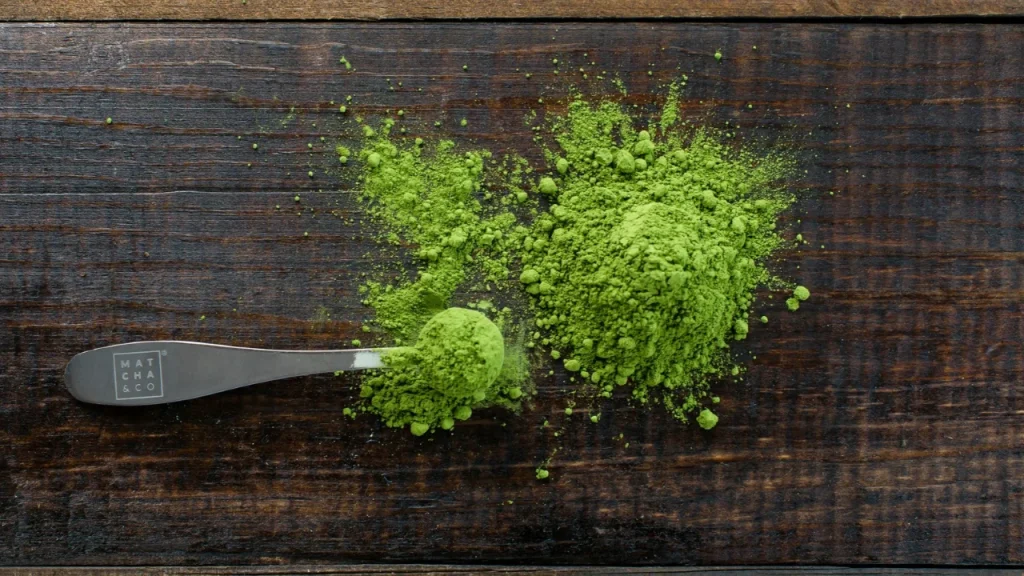
Short answer: The published 1 kg prices we found on 18 November 2026 run from ¥27,000 for a culinary grade to ¥40,442 for an organic latte-and-baking grade, and US$200 for a latte grade sold from a US-facing store. Most wholesale programs do not publish a price at all. They quote after you ask. Minimum orders range from “none” to about 1 kg for small cafés. A big order can take weeks. This guide shows what suppliers actually state on their wholesale pages, the four types of supplier, which grade to ask for if you make lattes, and the questions to ask before you pay.
Wholesale matcha, also called bulk matcha powder, is matcha sold by the kilogram to cafés, restaurants and food makers, not in small retail tins.
We run a matcha stand in Asakusa, Tokyo, and we ship the matcha we serve to cafés abroad. We buy in the same market you are looking at. For the customs side of importing, see How to Buy Matcha Direct from Japan. For why prices and lead times are moving, see Matcha Shortage 2026. This article is about something different: what wholesale matcha costs, how to choose a supplier and how to read an offer.
What 1 kg of bulk matcha powder costs: the prices we could read
Few sellers publish a bulk price. These are the 1 kg prices shown on the sellers’ own product pages on 18 November 2026. They are list prices for anyone, not negotiated wholesale quotes, and each is in the currency the page showed.
| Matcha, as the seller describes it | Pack | Listed price | Source |
|---|---|---|---|
| Culinary grade “for use in food processing” | 1 kg (250 g x 4 bags) | ¥27,000 | yunomi.life |
| Same culinary grade | 5 kg (1 kg x 5 bags) | ¥120,000 (¥24,000 per kg) | yunomi.life |
| Certified organic “economical” matcha “for lattes, baking and cooking” | 1 kg bag | ¥40,442 (as shown in yen when viewed from Japan) | kagoshimatea.com |
| “Everyday” matcha “for high-volume use in matcha lattes” | 1 kg bulk pouch | US$200 | ochaandco.com |
What the table tells you:
- Grade moves the price more than volume does. The 5 kg pack saves ¥3,000 per kg on the same tea. The gap between the culinary grade and the organic latte grade is more than ¥13,000 per kg.
- These prices do not include shipping, duty or tax. Ask what the landed cost is at your door.
- Wholesale programs are different. When we read wholesale pages on the same day, one US-based seller offered “special wholesale prices” without showing them, one Japan-based shop sent buyers to an email address and said “prices may change without notice,” and one seller with an India storefront said “Connect with Us for the Best Price.”
So use the table as a range, not a quote. Ask for a written quote with the date on it, in your currency, with the grade and the packing size written out.
What suppliers say about minimum orders
Minimums vary a lot. These are statements from the suppliers’ own wholesale pages, as seen on 18 November 2026:
| Supplier type | What the page says | Source |
|---|---|---|
| Online shop in Japan, wholesale program | “There is no minimum order for any product.” Custom or private-label orders generally start at ¥500,000. | yunomi.life/wholesale |
| Tea shop in Japan, wholesale FAQ | Wholesale pricing needs a minimum order of ¥30,000. | wholesale.obubutea.com |
| Seller of Japanese matcha with an India storefront | “Our MOQ begins from 1 Matcha bag of 1.1 kg.” | in.ilemjapan.com |
| US-based seller with US warehouse | For buyers ordering “less than 20kg per order.” Bulk supply is for more than 10 kg of matcha at a time. | sugimotousa.com/wholesale |
| Japan brand selling through a US importer | “Accessible minimum quantities for small businesses.” No number is given. US inquiries go to its importing partner. | shop.ikkyu-tea.com |
Two things to notice. First, small cafés can start with a few kilograms, not a pallet. Second, “wholesale” can mean a ¥30,000 order or a ¥500,000 custom run. Always ask what the minimum means: per order, per product, or per year.
Lead times: what to plan for
Lead time depends on whether the tea is in stock and how it is shipped. From the same pages:
- In stock, Japan-based shop: about 1 week to process the order. If any item is back-ordered, at least 4 weeks (yunomi.life/wholesale).
- Japan-based tea shop: aims to ship within 10 working days and says it averages about 5 working days. Longer in busy periods such as spring harvest. (wholesale.obubutea.com).
- Large orders: one seller says purchases over ¥200,000 need Japanese government export permission, which can add about one week (yunomi.life/wholesale). For mail parcels worth more than ¥200,000, Japan Customs says: “Because export declaration to the customs office is necessary, the sender is required to prepare the invoice and other documents necessary for export declaration.” (Japan Customs, checked 20 November 2026)
- Shipping cost: the same seller gives US$11 per kg as “a good estimate” for orders over 5 kg.
Add customs time on top. A seller with a warehouse in your country can ship locally, so there is no international transit for your order. If you plan to order again, ask for the first date they can ship the next batch before you place the first one.
Four types of supplier
| Type | Good for | Watch out for |
|---|---|---|
| Tea estates and grinders in Japan | Origin and harvest details, custom blends | Ask about volume, language and whether they sell to new overseas buyers. |
| Trading companies and online wholesale programs | Several grades in one place, low or no minimum order | You are one of many customers. Ask who actually mills the tea. |
| Japanese brands with an overseas importer or warehouse | Fast local delivery, no customs paperwork for you | One more step between you and the mill. Ask how stock is allocated when supply is tight. |
| Small direct exporters | Small first orders, direct answers about the tea | Ask about stock size, the packer and export paperwork. |
None of these is the best choice for everyone. A café with an importer nearby may prefer local stock. A café that wants to know exactly when the tea was milled may prefer a direct exporter.
Which grade does a café need for lattes?
Suppliers use grade names, and each seller defines its own. One Japan-based shop sorts its matcha into barista grades (premium and standard) and culinary grades (K1 to K3). Another seller says its ceremonial grade suits “premium beverages,” while “select batches are optimised for high-volume café applications.”
Our view, from running a stand:
- Do not buy the label. Buy a sample. Before we opened, we tested many grades over roughly 1,000 trial cups. We chose the matcha that tasted best in a latte, not the one with the highest-sounding name.
- Test it in your real drink. Make your own recipe with milk, ice and any syrup. A matcha that tastes great alone can disappear in milk.
- Look at three things: colour in the cup, taste through the milk, and how it mixes without lumps.
- Ask for the batch details, such as the harvest year and the milling date, so you can reorder the same tea.
For straight matcha with water, a different grade may be right. For milk drinks, the sample test tells you more than the grade name.
10 questions to ask a supplier
- What is the price per kg for this grade, in which currency, and until what date?
- What is the minimum order, and is it per order, per product or per year?
- Is the tea in stock now? If not, when will it ship?
- Who mills and packs the tea? Is the facility registered with the FDA, if you import to the US?
- Can you tell me the harvest year and the milling date for this batch?
- What packing do you use (bag size, sealing), and how should I store it?
- Who files the import paperwork, and who pays duty and tax?
- What shipping method do you use, is it insured, and what is the cost per kg?
- Will the next batch taste the same? How do you tell me about changes?
- Can I get a sample first, and is it the same tea as the bulk order?
How we do it
WOW!CHA is a matcha food truck at Asakusa Rokku Broadway (since June 1, 2026) and at Tokyo Dome City. We have served more than 6,000 cups, and we ship the same matcha we serve, from Tokyo. WOW!CHA is run by Rim Entertainment Co., Ltd.
We are not a trading company. We are a small seller. The product, packing sizes, minimums, shipping terms and delivery times are on our shop page, so you can read them before you write to us. If you want to test the matcha in your own latte first, start there.
See the matcha powder, shipping and terms →
Related guides: Where to buy matcha powder in Asakusa · Matcha supplier checklist: 8 checks before you order · Best matcha for lattes: why a blend works · Ceremonial vs culinary grade matcha
FAQ
How much does 1 kg of wholesale matcha from Japan cost?
On 18 November 2026 we found published 1 kg prices of ¥27,000 (culinary grade), ¥40,442 (organic grade for lattes and baking) and US$200 (latte grade from a US-facing store). Most wholesale programs do not publish prices and quote on request. Ask for a dated written quote.
What is a normal minimum order for wholesale matcha?
It depends on the seller. We saw “no minimum order,” a ¥30,000 minimum, a 1.1 kg bag, and sellers that serve orders under 20 kg. Custom orders can start at ¥500,000 at one seller.
How long does a wholesale matcha order take?
One Japan-based shop says about 1 week for in-stock orders and at least 4 weeks if something is back-ordered. Another aims to ship within 10 working days. Add shipping and customs time.
Which supplier type is best for a small café?
A small direct exporter or an online wholesale program usually lets you start with a few kilograms. An importer in your country gives faster delivery. Choose by minimum order, freshness data and how clearly they answer the 10 questions above.
Do I need “ceremonial grade” matcha for lattes?
Not necessarily. Each seller defines its own grade names. Test samples in your own recipe and choose by colour and taste in the cup.
Can I import matcha from Japan to the US for my café?
Yes. The shipper files an FDA Prior Notice. Who pays duty and tax depends on the seller, so ask before you order. We explain the process in our import guide. If you also want to know why a latte does not need a whisk, see matcha latte without a whisk.
Supplier terms were read from each company’s own wholesale page on 18 November 2026. Prices and terms change, so confirm with the supplier before you order.