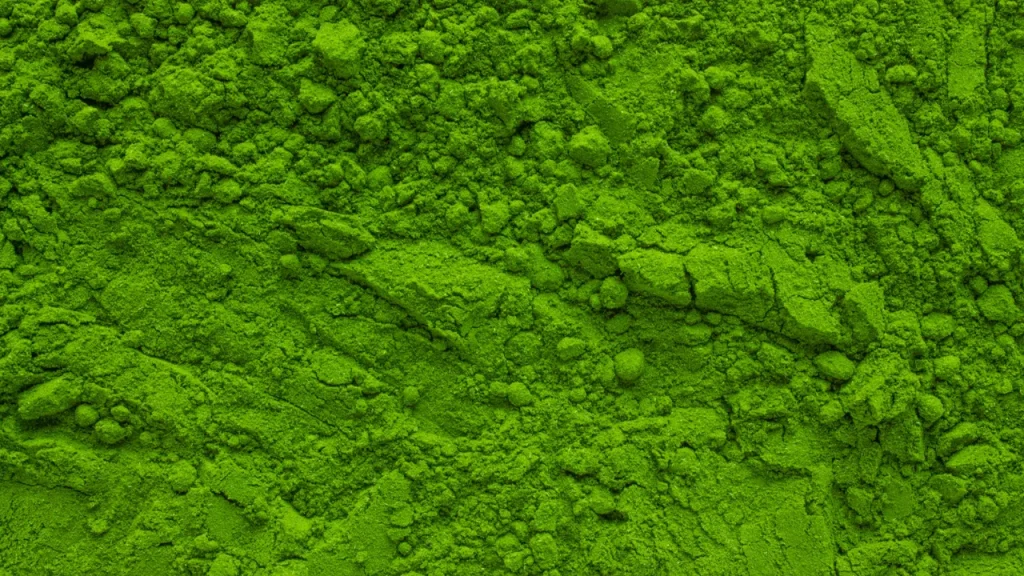
Short answer: “Ceremonial grade” and “culinary grade” are names that sellers put on matcha. We could not find either one in a Japanese public standard. Japan’s tea industry labelling standard defines matcha by how it is made, and it has no ceremonial or culinary grade in it. What changes the quality is the harvest, the shading, the leaf that is used and the way it is ground. So a café should not buy by the grade name. Buy by use: one matcha to drink with water, one for lattes, one for baking. Then test each one in your own recipe.
We run WOW!CHA, a matcha latte food truck in Tokyo, and we ship the matcha we use to cafés abroad. Before we opened, we bought every grade we could and made about 1,000 trial cups. The grade names on the bags did not predict which matcha won. This guide explains what the names mean, what to buy for each use, and what to ask a supplier.
Where the grade names come from
Sellers use “ceremonial grade” for matcha they say is good enough to whisk with water and drink plain. They use “culinary grade” for matcha they say is for cooking, baking and mixed drinks. You will also see “premium”, “café grade”, “latte grade” and “kitchen grade”.
Each seller decides what these words mean. One seller’s culinary matcha can be better than another seller’s ceremonial matcha. The price follows the name, so the name is worth checking.
What Japan’s standards say
We read two Japanese documents to see if the grades exist there.
The first is the Standard for Labelling Green Tea from the Japan Tea Central Public Interest Incorporated Association, a national tea industry body. It was last revised on July 10, 2026. It defines matcha in one line: 「碾茶(覆下栽培した茶葉を碾茶炉等で揉まずに乾燥したもの)を茶臼等で微粉末状に製造したもの」 (Japan Tea Central Public Interest Incorporated Association, Standard for Labelling Green Tea (checked Nov 21, 2026)). In English, our translation: tencha (leaf grown under cover and dried in a tencha furnace or similar without rolling) made into a fine powder with a tea mill or similar.
The second is the tea overview from Japan’s Ministry of Agriculture, Forestry and Fisheries. It gives the same definition: matcha is tencha made into a fine powder with a tea mill or similar (Ministry of Agriculture, Forestry and Fisheries, October 2026 (checked Nov 21, 2026)).
Both documents define matcha by method. Neither one has a ceremonial grade, a culinary grade or any other grade of matcha. We searched the full text of both. We also could not find any other Japanese public standard that defines these words.
Two details in the Japanese labelling standard are useful for buyers:
- It has a separate name, “powdered tea”, for tea that is simply ground to powder in a grinding machine. Under the standard, that is a different product from matcha. Ask which one you are buying.
- A note in the standard says that autumn tencha and similar leaf is understood to be called tencha for food processing, and to go to food-processing use. This is the closest thing to “culinary” that we found. It is about the leaf and its use. It is not a grade on a label.
What really changes the quality
1. The harvest
Tea is picked several times a year. First flush is the spring harvest. Second flush comes in early summer. Later harvests follow.
The ministry’s overview says the price of tea differs a lot by the type of tea and by the harvest, and that a price difference for quality comes on top of that. For tencha, the leaf that becomes matcha, the average price of the 2025 crop in Japan was 10,030 yen per kilogram for first flush and 4,950 yen per kilogram for second flush (Ministry of Agriculture, Forestry and Fisheries, October 2026, data from the national tea producers’ federation (checked Nov 21, 2026)). These are prices for unground leaf at origin, not for finished matcha.
So first-flush leaf cost about twice as much as second-flush leaf. When a seller says “ceremonial”, it usually means first flush. Ask, because the word itself does not promise it.
2. The shading
Matcha leaf is grown under cover. The labelling standard describes tencha as leaf from a tea field covered for about two to three weeks before picking. Shading is part of the definition, so it is fair to ask about it. Ask how long the leaf was shaded.
3. The leaf that is used
The same standard notes that autumn tencha and similar leaf goes to food processing. In our experience, later leaf tastes stronger and more bitter. It can be right for baking and wrong for a drink.
4. The grinding
The standard says matcha is ground with a tea mill “or similar”. It does not limit the method, as long as the machine works like a stone mill. So “stone-ground” is one way, not the only way. What you can check yourself is the result: the powder should feel fine and smooth, and it should mix without grit.
5. Blending and freshness
Matcha is often a blend of leaf from different fields and harvests. A blend is not a lower grade. It lets a seller keep the same taste from batch to batch. Freshness matters too. Ask when the matcha was ground, and keep it sealed, cool and away from light.
What to buy for each use
This table is our own view, from our trial cups and from serving matcha every day.
| Use | What matters | What to look for | What to ask |
|---|---|---|---|
| Whisked with water (usucha, plain iced matcha) | Soft taste, umami, little bitterness, bright colour | First flush, well shaded. Usually sold as ceremonial | Is it first flush only? When was it ground? |
| Lattes and milk drinks | A matcha taste that comes through milk and sugar, green colour in the cup, cost per cup | A blend of first and second flush. Sold under many names | Which harvests are in the blend? |
| Baking, ice cream, sauces | Strong taste, colour that holds in your recipe, low cost | Second flush or later leaf. Usually sold as culinary | Is it tencha, or powdered green tea? Which harvest? |
For lattes, our answer is a blend of first and second flush. First flush alone got lost in milk in our trials. We explain why in Best Matcha for Lattes.
A café that sells both plain matcha and lattes may need two matchas. A café that sells only lattes and sweets does not need the most expensive tin.
Questions to ask a supplier
“Is it ceremonial grade?” gets you a yes every time. These questions get you facts:
- Which harvest is it: first flush, second flush or a blend?
- Is it made from tencha, or is it powdered green tea?
- How long was the leaf shaded?
- How was it ground, and when?
- Is the sample from the same batch as the bulk order?
- What do you suggest it for: water, milk or baking?
- Can you keep the same taste on the next order?
A good supplier can answer the first four in one short email. For the checks on paperwork, such as FDA registration and Prior Notice, see our matcha supplier checklist. For prices and minimum orders, see Wholesale Matcha from Japan.
How to judge the powder yourself
You do not need a lab. You need two or three samples and your own recipe.
- Colour. Put a little of each powder side by side on white paper. In our trial cups, the first-flush powders were the brightest green and the later-harvest powders were duller. A yellow or brown tone is a reason to ask about the harvest and the grinding date.
- Smell. Fresh matcha smells green and a little sweet. Flat or dusty smells are a bad sign.
- Feel. Rub a pinch between your fingers. It should feel smooth, not sandy.
- Taste with water. Whisk each sample with the same amount of water. This shows you bitterness and umami clearly.
- Taste in your drink. Then make the drink you sell, with your milk, your sweetener and your ice. A matcha that wins with water can lose in milk.
- Cost per cup. Divide the price of the bag by the number of drinks. At 4 g a cup, one kilogram makes about 250 drinks. If you need more powder to taste the matcha, count that.
Do the test blind if you can. Write a number under each cup and hide the labels. The grade names change what people think they taste.
How we do it
WOW!CHA is a matcha food truck at Asakusa Rokku Broadway in Tokyo. We opened on June 1, 2026 and have served more than 6,000 cups. Before we opened, we bought every grade we could, from the most expensive down, and made about 1,000 trial lattes. A blend of first and second flush won. That is what we serve, and we ship the same matcha from Tokyo. WOW!CHA is run by Rim Entertainment Co., Ltd.
We do not put “ceremonial” or “culinary” at the centre of what we sell. We tell you what the matcha is for: lattes and milk drinks in a café. It is packed at an FDA-registered facility in Japan and shipped from Tokyo by EMS with tracking.
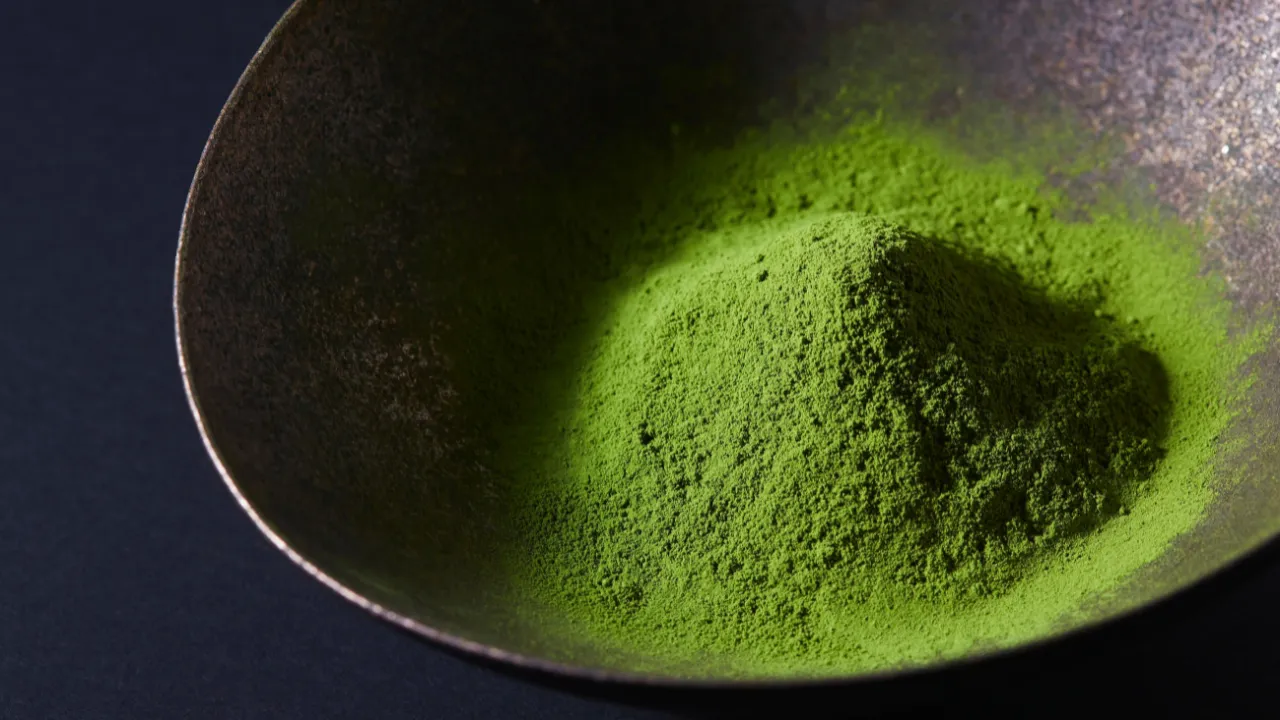
See the matcha powder, shipping and terms →
Related guides: Best matcha for lattes / Wholesale matcha prices and minimum orders / Matcha supplier checklist
FAQ
What is the difference between ceremonial and culinary grade matcha?
They are seller labels. Ceremonial usually means matcha the seller suggests for drinking with water, often first flush. Culinary usually means matcha for baking and mixed drinks, often from later harvests. The Japanese labelling standard we read has neither grade, so each seller draws the line in a different place.
Is ceremonial grade matcha an official grade in Japan?
We could not find one. The tea industry’s labelling standard and the agriculture ministry’s overview both define matcha by how it is made. Neither has a ceremonial or culinary grade.
What is culinary grade matcha?
It is matcha that a seller suggests for cooking, baking and mixed drinks. It often comes from second flush or later leaf, so it tastes stronger and costs less. Check that it is made from tencha and not just powdered green tea.
Can you drink culinary grade matcha?
Yes. “Culinary” is a use the seller suggests, not a warning. With water it will usually taste stronger and more bitter than a first-flush matcha. In milk with sugar, a good one can taste right.
Should a café use ceremonial matcha for lattes?
In our trials, no. First flush alone was too soft for milk and cost the most. A blend of first and second flush worked best. See Best Matcha for Lattes.
What is the best culinary grade matcha for baking?
There is no single best one, because the name is not a standard. Ask which harvest it is, check the colour, and bake a test batch. Pick the one that keeps its taste and colour in your recipe at a cost you can accept.
Why is ceremonial matcha more expensive?
Mostly because of the leaf. For the 2025 crop in Japan, first-flush tencha averaged 10,030 yen per kilogram and second flush 4,950 yen, according to Japan’s agriculture ministry. The name on the tin also adds to the price.
The standards and the ministry document were read on November 21, 2026. This article is general information for buyers. Translations from Japanese are ours.